Same-day spider removal and prevention , prevention and service work with Spider Control Oshawa
Same-day spider removal and prevention , prevention and service work with Spider Control Oshawa
Blog Article
Seeing a spider in your home does not always mean you have a serious problem. A few harmless spiders may get through small gaps or chase insect prey indoors. Ongoing sightings, fresh spider try this out webs, and egg sacs suggest another concern. These signs can point to a spider infestation that needs prompt attention.
Spider Control Oshawa services can help you determine the species, remove active spiders, clear webs, and reduce the conditions that attract them. A same-day service starts with a practical inspection. The pest control technician looks for ways inside, moisture, insect activity, and hidden spaces such as the basement, garage, attic, crawl space, and foundation perimeter.
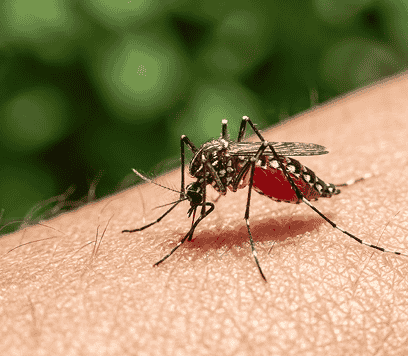
Mosquito Man is one business name consumers may see when researching pest services. Regardless of the provider you contact, ask what the visit includes, which treatment products may be used, and whether a second treatment is recommended.
Reasons Immediate Spider Control Makes a Difference
Spiders often gather near food, shelter, and moisture. A single web in a quiet corner may be harmless. Several webs around windows, doors, storage areas, or foundation gaps show that conditions support ongoing activity.
Fast spider removal helps you regain use of affected rooms before the problem spreads. It also gives a technician a chance to locate egg sacs before they hatch. One egg sac can contain many young spiders, so removing visible sacs makes up an important part of early control.
A same-day service does not always mean every spider disappears within one visit. It means the inspection and first response begin promptly. The technician may remove spiders and spider webs, identify likely hiding areas, apply treatment, and provide steps that help prevent recurrence.
Prompt action matters most when spiders appear in bedrooms, play areas, storage spaces, or entryways. It also helps when you cannot safely reach high ceilings, roofline gaps, utility spaces, or dense clutter.

Common Spiders Found in Homes
Correct identification directs the recommended treatment. Colour and size alone do not give a reliable answer. A technician may examine the body shape, leg size, web patterns, movement, and location.
- Common house spider: This frequent web-spinning spider often builds untidy webs in corners, window frames, garages, and low-traffic storage areas. It usually keeps away from people and hunts small insects.
- Long-legged cellar spider: A cellar spider has a small body and very slender, lengthy legs. It often stays in basements, crawl spaces, and other areas with low disturbance.
- Ground wolf spider: This ground spider chases insects rather than depending on a large web. It may get inside through gaps at the foundation, doors, or garage. Its size can make it look frightening, but it generally avoids contact.
- Black widow: The black widow spider requires more caution because its bite can cause serious symptoms. Do not handle an unfamiliar dark spider, especially one found in a covered, undisturbed area.
Many spiders are not dangerous and help limit insect prey. Still, frequent sightings warrant an inspection. The presence of one species can also indicate a steady supply of insects inside or around the property.
Are Spiders Dangerous?
Most inside spiders are non-dangerous spiders. They usually retreat when approached and bite only when caught against the skin or touched. Spider bites can cause skin redness, swelling, skin irritation, and tenderness. Reactions differ by person and by species.
Poisonous spiders can produce more severe symptoms, although severe incidents are uncommon. Contact a medical professional after a suspected bite that causes strong pain, increasing swelling, breathing difficulty, lightheadedness, painful muscle spasms, or other worrying symptoms. Contact emergency services for signs of a severe allergic reaction.
Never try to identify a spider by picking it up or placing it in your hand. Take a clear photo from a safe distance if possible. Move children and pets away from the area until you know what you are facing.
Trained spider control focuses on limiting contact as well as lowering spider numbers. A technician can identify conditions that bring spiders indoors, address active areas, and suggest sealing and cleaning steps that make the space less attractive.
Which Services a Qualified Spider Removal Service Includes
A qualified visit normally combines inspection, removal, treatment, and prevention advice. The exact process depends on the spider species, activity level, room layout, and access to affected areas.
A spider inspection begins with questions about sightings, web locations, recent renovation work, moisture, and seasonal changes. The technician examines corners, ceilings, windows, doors, storage areas, utility penetrations, and the exterior foundation.
Web removal removes visible webs and may reveal areas that need further attention. A service may also remove accessible spiders and egg sacs. Clearing webs alone does not solve the source if insects, moisture, or entry points remain.
Crack and crevice treatment targets narrow spaces where spiders hide. These spaces may include gaps around pipes, window frames, baseboards, foundations, and door thresholds. A technician may also recommend sealing after treatment.
Targeted pesticide application places product only where it can address active areas or likely harbourage. The technician should explain where the product goes, any required preparation, and when people and pets may return.
Spider Inspection and Identification
The first step is locating the conditions that support activity. The technician checks entry points such as damaged screens, gaps beneath doors, cracks around the foundation, and openings around wiring or plumbing.
Moisture sources need careful review. Leaking pipes, damp basements, poorly ventilated crawl spaces, condensation, and standing water can support insects. Those insects become food for spiders. Fixing moisture problems can therefore strengthen long-term spider prevention.
The inspection also checks for insect activity. Lights near doors may bring in moths and other flying insects. Garbage, food residue, and outdoor clutter can support pests that become insect prey. Identifying the spider species helps tell apart a web-building spider from a roaming ground spider and sets realistic treatment expectations.
Images, web patterns, discarded skins, and observations can support identification. If no spider is present during the visit, the technician may still assess the evidence and develop a prevention plan based on location and repeat activity.
Same-Day Treatment Options
A same-day treatment may include different methods, matched for the site and the spider species.
- Residual treatment: This product continues working on a treated surface for a period set by the label. It may be applied around permitted indoor or outdoor areas where spiders travel.
- Contact treatment: This acts when it reaches an exposed spider. It may help treat visible activity during the visit.
- Dust treatment: A small amount of insecticidal dust may be placed in dry, protected voids or cracks where labelled for use. It should never be applied casually around occupied areas.
- Integrated pest control: This approach uses inspection, sanitation, exclusion, monitoring, removal, and carefully selected treatment. It focuses on the source of the problem rather than relying on repeated spraying alone.
A low-risk treatment still requires the right preparation. Follow instructions about storing food, children, pets, ventilation, and re-entry. Ask whether the targeted application is intended for a specific crack, void, web area, or exterior surface.
Ways to Stop Spiders from Coming Back
Spider prevention depends on exclusion. Examine doors and windows for gaps, damaged screens, and worn frames. Add or fix door sweeps so the bottom edge seals firmly against the threshold. Fix damaged window mesh and seal gaps around screen frames.
Good weather seals around exterior doors limits the space available to spiders and insects. Fill cracks around the foundation, vents, pipes, and utility lines with an appropriate material. Avoid blocking required drainage or ventilation openings.
Assess exterior lighting. Powerful lights near doors can attract flying insects, which then attract spiders. Move lights farther from entry doors when practical, use shielding, and keep fixtures clean. Cutting back on exterior lighting can reduce insect activity around entry points.
Clear clutter in the basement, garage, crawl space, and attic. Place boxes off the floor when possible. Clear away unused wood, leaves, dense vegetation, and debris from around the foundation. Fix leaks and improve ventilation where moisture persists.
Frequent cleaning and vacuuming remove webs, insects, and hiding material. Monitoring matters after treatment. Record where new webs appear, how often spiders are seen, and whether activity returns in the same areas. This information helps guide a follow-up treatment or further sealing.
Secure Spider Web and Egg Sac Removal
Do-it-yourself web removal is practical when activity is contained and the area is simple to access. Use a vacuum cleaner with an extension or a long-handled duster. Wear protective gloves when moving boxes, reaching into storage areas, or cleaning near unidentified spiders.
Keep your face and hands away from hidden corners. Move slowly and inspect the surrounding area first. Do not crush an unfamiliar spider against your skin. If you see an egg sac, avoid squeezing it because damage may release young spiders.
Place vacuum contents in a sealed bag and remove the bag from the living area. Follow local waste guidance for egg sac disposal. Clean the web area afterward, then check for gaps, moisture, and insects that may explain why spiders targeted that location.
DIY cleaning is less suitable when there are many webs, repeated egg sacs, suspected black widow spiders, hard-to-reach areas, or activity in a crawl space or attic. In those cases, professional removal can limit handling risks and identify the source of recurrence.
Common Spider Control Pricing and Service Timing
The price of spider control is affected by more than the amount of spiders you see. A service call may involve travel, inspection, removal, treatment, or a combination of those tasks. Ask for a written pest control estimate before work begins.
The treatment scope affects the price. A single room usually requires fewer hours than a full property with an attached garage, basement, attic, foundation perimeter, and several entry points. Severe activity, difficult access, clutter, and multiple pest problems can also increase labour.
Ask whether the quoted price accounts for web removal, egg sac removal, sealing advice, monitoring, or a follow-up visit. Some properties need a follow-up treatment when activity is widespread or when a first visit reveals additional harbourage. A follow-up treatment may also treat spiders that emerge after initial disturbance.
Timing differs by site. A small inspection and targeted application may take less than an hour. A larger inspection, extensive web removal, and exterior treatment can take longer. The provider should outline the expected service duration and any preparation requirements.
When to Call a Pest Control Professional
Call a professional when you notice a recurring infestation rather than an isolated spider. Repeated webs, new egg sacs, and frequent sightings show that the conditions supporting activity have not changed.
A large spider population also needs attention. Do not try to remove many spiders from a ceiling, storage room, attic, or crawl space without suitable equipment. Hard-to-reach areas can hide egg sacs and entry points that are easy to miss from floor level.
Professional pest control is a wise choice when you suspect a medically significant species, cannot identify the spider, or have already tried cleaning without reducing activity. It is also useful when moisture, insect activity, or foundation gaps continue to bring spiders indoors.
During the call, describe where you see spiders, how often sightings occur, whether webs are present, and whether anyone has experienced spider bites. Ask about the inspection process, treatment methods, safety instructions, prevention work, and follow-up options.
Common Questions
How can I stop spiders from entering my Oshawa home?
Repair window screens, install door sweeps, replace old weather stripping, and seal gaps around the foundation, doors, windows, pipes, and wiring. Reduce clutter, fix moisture sources, clean webs, and limit exterior lighting near entry doors. These steps work best when combined with monitoring and regular sanitation.
What types of spiders are common in Oshawa?
Common household sightings may include the house spider, cellar spider, and wolf spider. A black widow spider requires special care and should not be handled. A clear photograph from a safe distance can help a pest control technician identify the spider species.
Are spiders in Oshawa dangerous?
Most spiders found indoors are harmless and stay away from people. Spider bites can still cause irritation, while a bite from a venomous spider may cause more serious symptoms. Seek medical advice for serious pain, spreading swelling, breathing problems, dizziness, or signs of an allergic reaction.
When should I call a spider control professional?
Call when sightings recur, webs and egg sacs keep returning, the population seems large, or spiders occupy hard-to-reach areas. Professional help is also appropriate when you cannot identify the species, suspect a black widow spider, or DIY vacuuming and cleaning have not stopped the activity.
How much does spider control cost in Oshawa?
Pricing depends on the service call, treatment size, access, activity level, number of areas involved, and whether a follow-up visit is needed. Request a pest control estimate that lists inspection, removal, treatment, prevention advice, and any follow-up treatment covered by the quoted cost.
What methods do pest control companies use for spiders?
Common treatment methods include web removal, targeted pesticide application, contact treatment, residual insecticide, dust application in approved voids, exclusion, sanitation, and monitoring. Integrated pest management combines these methods according to the spider species and conditions found during the inspection.
Can I clear spider webs without drawing more spiders?
Yes, you can. Use a household vacuum or extended duster, wear gloves for protection, and avoid reaching into dark spaces by hand. Close and dispose of vacuum contents. Inspect the area for spider egg sacs, moisture, insects, and gaps so cleaning is backed up by steps that prevent spiders.
How long does professional spider treatment take?
A brief inspection and targeted treatment may take under sixty minutes. Bigger properties or areas with heavy web growth, clutter, moisture, and multiple entry points can take longer. Ask the provider for an expected appointment length and whether follow-up monitoring or a follow-up visit is included in the plan.
Report this page